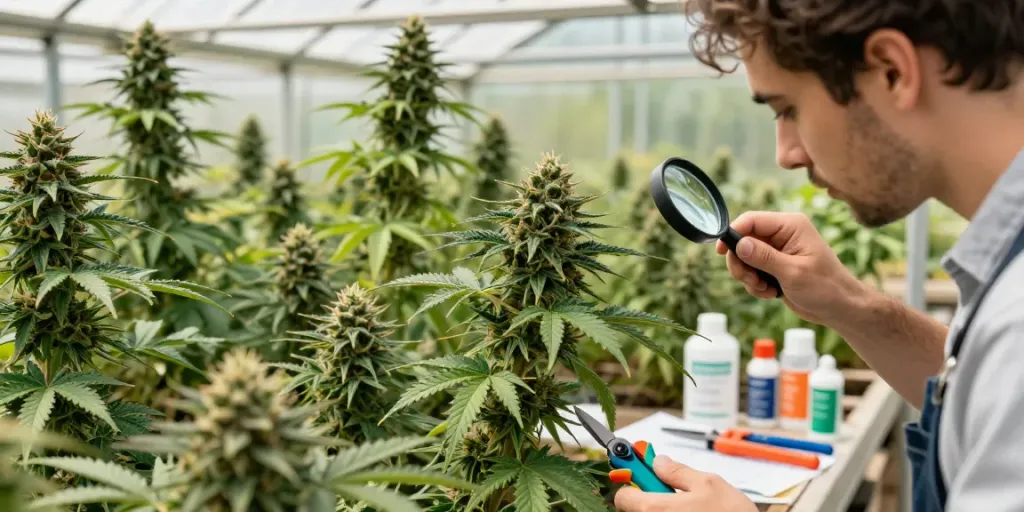
Understanding CBD-rich Cannabis Genetics
As the cannabis industry continues to evolve, the demand for different types of cannabis seeds has become increasingly nuanced. Among these, CBD-rich cannabis genetics has garnered significant attention, especially from growers interested in therapeutic properties without intense psychoactive effects. This article delves into what CBD-rich seeds are, how they differ from THC-dominant strains, and the importance of cannabinoid profiles in choosing the right seeds for cultivation.
What are CBD-rich cannabis seeds?
CBD-rich cannabis seeds are specifically bred to produce plants that yield high levels of cannabidiol (CBD) while maintaining low levels of tetrahydrocannabinol (THC). CBD is renowned for its therapeutic effects, including potential anti-inflammatory, anxiolytic, and analgesic properties. Unlike THC, which is primarily known for its psychoactive effects, CBD offers a more balanced experience, often sought by medicinal users and those desiring clarity without intoxication.
The genetic makeup of CBD-rich seeds is crucial; these seeds typically come from strains selected for their cannabinoid profiles, emphasizing increased CBD content. Growers seeking these varieties can choose from numerous cultivars, including feminized, autoflowering, and regular seeds, each offering unique advantages based on growing conditions and desired outcomes.
Differences between CBD and THC genetics
Understanding the differences between CBD and THC genetics is essential for growers. CBD and THC are both cannabinoids, but they interact with the body differently. THC is known for its psychoactive effects, which can sometimes lead to anxiety and paranoia in sensitive individuals. In contrast, CBD does not produce such effects, making it a favorable choice for those looking for relief without the high associated with THC.
Genetically, CBD-rich strains are often bred specifically to enhance the CBD:THC ratio, with many modern cultivars achieving balances such as 1:1 or even higher CBD concentrations. The breeding process involves selecting parent plants that exhibit desirable traits and stabilizing those traits over generations, ultimately leading to reliable seed lines with predictable cannabinoid profiles.
Importance of cannabinoid profiles
The cannabinoid profile is the chemical fingerprint of a cannabis strain, revealing the concentrations of various cannabinoids and terpenes. This profile is critical when selecting seeds because it informs growers about the expected therapeutic effects and potency of the final product. It’s essential for cultivators to understand that CBD seeds may still express varying levels of THC depending on the cultivar.
Moreover, environmental factors can influence cannabinoid expression. Elements such as soil type, nutrient levels, and light conditions can affect how plants synthesize cannabinoids. Therefore, a comprehensive understanding of these profiles not only aids in strain selection but also informs cultivation practices to optimize yield and efficacy.
Choosing the Right CBD-rich Seeds
When venturing into the world of CBD-rich cannabis cultivation, making informed choices regarding seed selection is paramount. Not all seeds are created equal, and various factors should guide your decision-making process to ensure optimal growth and desired cannabinoid outcomes.
Factors to consider for optimal growth
- Growing Environment: Consider whether you will be growing indoors or outdoors. Different strains may excel in specific environments, which can affect yield and potency.
- Seed Type: Feminized seeds are preferred for many growers as they eliminate the risk of male plants, which can pollinate females and reduce overall cannabinoid production.
- Growth Cycle: Pay attention to the growth cycle of the seeds. Autoflowering seeds tend to be quicker to harvest, making them suitable for those with limited grow seasons.
- Local Regulations: Always check local laws regarding cannabis cultivation to avoid potential legal issues.
Comparing CBD-forward and THC-dominant cultivars
When comparing CBD-forward cultivars to THC-dominant strains, it’s essential to consider the intended use. CBD-rich strains are advantageous for therapeutic applications, while THC-dominant strains may be preferable for recreational use. Moreover, some growers may opt for balanced hybrids (1:1 ratios) to cater to both markets.
Understanding the specific effects of each strain is also critical. For example, strains with higher CBD content may provide relaxation without sedation, while those with higher THC may offer enhanced euphoria but could lead to anxiety in some users.
Understanding feminized vs. regular seeds
Choosing between feminized and regular seeds is a common dilemma for growers. Feminized seeds are genetically modified to produce female plants exclusively, which are the only plants that produce buds. This selection simplifies the growing process, especially for novice growers.
Regular seeds, on the other hand, can produce both male and female plants. While this might be beneficial for those looking to breed new strains, it introduces the risk of having male plants that do not produce the desired buds, potentially affecting overall yield and cannabinoid production.
Benefits of CBD-rich Cannabis
CBD-rich cannabis offers numerous benefits, both from a therapeutic and economic perspective. As interest in the health benefits of CBD continues to grow, understanding these advantages can enhance both cultivation approaches and market opportunities.
Therapeutic effects and potential health benefits
The therapeutic effects of CBD have been widely studied, with findings suggesting benefits for conditions such as chronic pain, anxiety, epilepsy, and inflammation. Users often prefer CBD-rich strains due to their ability to provide relief without the high associated with conventional cannabis.
In addition to alleviating symptoms, CBD has shown promise in supporting overall wellness. As more research emerges supporting the health benefits of CBD, the demand for CBD-rich products is likely to increase, leading to new opportunities in the cannabis market.
Legal considerations for growers
Before beginning cultivation, it is crucial to understand the legal limitations regarding CBD production in your area. CBD derived from hemp (with less than 0.3% THC) is legal in many regions, but this can vary significantly depending on the local regulations and laws.
Growers must also maintain compliance with federal and state regulations, including licensing, testing, and labeling requirements, to ensure they operate within the law and avoid penalties.
Market demand for CBD products in 2026
Looking ahead to 2026, market analysts project significant growth in the CBD sector, driven by increasing consumer awareness of the benefits of CBD and its applications. Products featuring CBD are becoming mainstream, spanning across wellness, beauty, and food industries.
As demand continues to rise, growers specializing in CBD-rich cannabis genetics may find lucrative opportunities. The evolution of consumer preferences indicates a shift toward higher-quality, well-researched products, making the understanding of cannabinoid profiles even more critical for growers.
Growing CBD-rich Cannabis Successfully
Successfully cultivating CBD-rich cannabis requires a clear understanding of best practices tailored to the unique needs of these plants. By following expert advice and guidelines, growers can optimize their yields and produce high-quality cannabis.
Best practices for indoor vs outdoor cultivation
The approach to indoor versus outdoor cultivation can greatly impact the success of growing CBD-rich cannabis. Indoor growing allows for precise control over environmental factors, including light, temperature, humidity, and nutrient delivery. This controlled environment can lead to faster growth cycles and enhanced cannabinoid profiles.
Outdoor cultivation, while more dependent on natural conditions, can yield larger plants and greater quantities of buds. However, growers must be mindful of environmental factors, pests, and unpredictable weather patterns, which may affect the crop's outcome.
Utilizing soil, nutrients, and environmental factors
When growing CBD-rich cannabis, the quality of soil and nutrients plays a pivotal role in the plant's development. A well-balanced soil mix enriched with organic matter can promote healthy root systems and robust growth. Additionally, using fertilizers specifically designed for cannabis can help optimize nutrient uptake and encourage fruitful yields.
Environmental factors such as light exposure, temperature, and humidity should also be regularly monitored. Ideal growing conditions can significantly influence the cannabinoid profile, making it crucial for growers to understand their plants' specific needs throughout various growth stages.
Common challenges and solutions for CBD cultivation
Like any agricultural endeavor, cultivating CBD-rich cannabis comes with its own set of challenges. Some common issues include pests, diseases, and nutrient deficiencies. Employing integrated pest management strategies, routinely inspecting plants, and maintaining a proper watering schedule can help mitigate these risks.
Additionally, educating oneself on the signs of nutrient deficiencies and how to address them promptly can further enhance the chances of successful cultivation. For growers facing legal or regulatory challenges, staying informed about local laws and best practices is essential to remain compliant.
Future Trends in CBD-rich Cannabis Genetics
The field of CBD-rich cannabis genetics is rapidly advancing, and staying abreast of upcoming trends can provide significant advantages to growers and businesses alike. Emerging research and consumer preferences are likely to steer the future of genetic advancements.
Emerging research and genetic advancements
Ongoing research into cannabis genetics is shedding light on how to enhance cannabinoid profiles, increase yields, and bolster resistance to pests and diseases. As more growers leverage genetic advancements, there are opportunities to create new strains that meet specific therapeutic needs or consumer preferences.
Additionally, novel breeding techniques, such as CRISPR gene editing, are being explored to expedite the development of desirable traits without the lengthy process associated with traditional breeding methods.
Consumer preferences influencing breeding strategies
As consumer preferences evolve, breeders are increasingly focusing on creating strains that appeal to specific market demands. For instance, the rise in popularity of health and wellness products is driving breeders to focus on higher CBD concentrations and unique flavor profiles, catering to a clientele seeking a particular experience or benefit.
Furthermore, the growing interest in natural and organic products may lead to an increased demand for sustainably-grown, chemical-free CBD-rich cannabis.
Anticipated regulatory changes by 2026
Regulatory frameworks surrounding CBD-rich cannabis are expected to continue evolving. In the coming years, potential changes could include clearer guidelines around cultivation, production, and distribution. Staying informed on regulatory trends will be crucial for growers to adapt their practices and remain compliant.
Changes in government policies may also open new markets for CBD products, providing fresh opportunities for growers and suppliers within the evolving landscape of the cannabis industry.
Is CBD hard on the liver or kidneys?
There have been inquiries regarding the effects of CBD on liver and kidney health. Research so far indicates that while CBD is generally well-tolerated, excessive consumption could impact liver function. It's advised for users, especially those with pre-existing conditions, to consult healthcare providers regarding CBD usage.
Which CBD is the most potent?
The potency of CBD varies among different strains and products. Typically, CBD isolates offer the highest concentration of CBD, while full-spectrum products maintain a variety of cannabinoids and terpenes that can enhance the overall effect through the entourage effect. Choosing strains with a high CBD-to-THC ratio can also provide potent therapeutic benefits.
What organ does CBD affect?
CBD primarily interacts with the endocannabinoid system (ECS), which plays a crucial role in regulating various physiological processes. While studies indicate that CBD may influence the brain, immune system, and organs like the liver, its precise effects can vary based on individual biochemistry and overall health.
Can CBD seeds be grown legally?
Yes, CBD seeds can be grown legally in many regions, provided they comply with local regulations regarding THC content. Cultivators must ensure that their CBD-rich strains do not exceed the legal limits for THC, which often must be below 0.3%. Familiarizing oneself with local laws and obtaining necessary permits is essential to cultivate legally.
What are the best practices for cultivating CBD-rich seeds?
Best practices for cultivating CBD-rich seeds involve understanding the specific needs of the strain, maintaining optimal environmental conditions, and employing solid soil and nutrient management practices. Regular monitoring for pests and diseases, along with knowledge of local regulations, will also enhance the likelihood of a successful harvest.