Understanding Autoflowering Cannabis Seeds
In the evolving landscape of cannabis cultivation, autoflowering cannabis seeds have emerged as a game-changer for both novice and experienced growers. These seeds offer a unique advantage by transitioning from vegetative growth to flowering automatically, irrespective of light cycles. This means that growers no longer need to meticulously manage lighting schedules, making the process far more accessible. For many, the appeal of Autoflower Samen kaufen lies in the ability to cultivate cannabis without the steep learning curve associated with traditional photoperiod strains.
What Makes Autoflower Seeds Unique?
Autoflowering seeds derive their unique characteristics from the Ruderalis cannabis species, which has adapted to northern climates where daylight hours vary significantly. Unlike their photoperiod counterparts, autoflowering seeds initiate the flowering stage based on age rather than light exposure. This means that regardless of whether they receive 12 or 18 hours of light per day, these plants will begin to flower after a few weeks.
Benefits of Choosing Autoflowering Varieties
The choice to grow autoflowering varieties can be influenced by several compelling benefits:
- Speed: Autoflowering plants typically go from seed to harvest in as little as 8-12 weeks, significantly shorter than regular and feminized strains.
- Ease of Growth: These plants are generally more forgiving, making them ideal for beginners who may not have mastered specific lighting techniques.
- Multiple Harvests: Due to their rapid growth cycle, growers can achieve multiple harvests within a single growing season, maximizing yield.
Common Misconceptions About Autoflowers
Despite their rising popularity, several misconceptions persist regarding autoflowering seeds. Some believe they offer lower potency or inferior quality, which is far from the truth. Many autoflowering strains are bred for high THC or CBD content and compete favorably with traditional strains in terms of quality and yield.
Best Practices for Cultivating Autoflower Samen
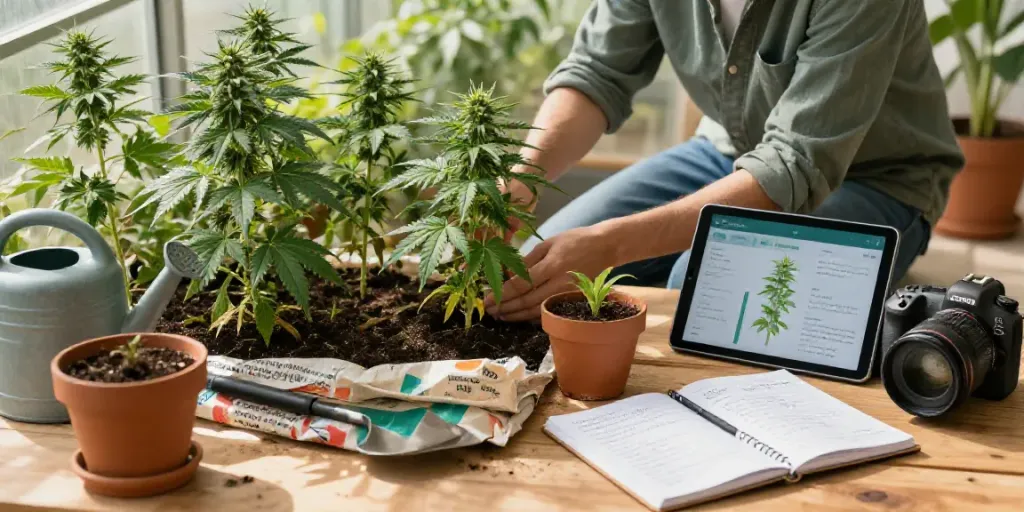
To successfully grow autoflowering cannabis seeds, it's essential to adhere to best practices tailored to their unique needs. Here are some key considerations:
Choosing the Right Growing Conditions
Autoflowering cannabis thrives in a variety of environments, but optimal conditions will ensure the best yields. They generally prefer:
- Temperature: Maintaining a temperature range of 20-30°C (68-86°F) is ideal for growth.
- Soil: Well-draining soil enriched with organic matter promotes healthy root development.
- Light: While they can handle various light cycles, 18 hours of light during the vegetative phase provides excellent results.
Effective Watering and Nutrient Strategies
Watering and nutrients can significantly impact the health and yield of autoflowering plants:
- Watering: Ensure that the soil dries out slightly between waterings to prevent overwatering, which can lead to root rot.
- Nutrients: Autoflowers have different nutrient requirements than regular strains; providing a balanced nutrient mix formulated for fast-growing plants is advisable.
Pruning and Training Techniques
Although autoflowers are generally low-maintenance, employing some training techniques can maximize their potential:
- Low-Stress Training (LST): Gently bending and tying down branches can expose more buds to light, increasing overall yield.
- Defoliation: Carefully removing some of the larger fan leaves can improve air circulation and light penetration.
Comparing Autoflowers to Traditional Strains
Understanding the differences between autoflowering and traditional cannabis strains can help growers make informed decisions.
Growth Time Comparison: Autoflower vs. Feminized
Perhaps the most significant difference lies in growth time. Autoflowering strains typically reach maturity in 8-12 weeks, while feminized strains can take 10-16 weeks, depending on the lighting schedule and specific genetics involved.
Yield Expectations for Different Seed Types
While autoflowering strains may yield slightly less than feminized strains due to their shorter growth period, careful selection of high-yielding autoflower varieties can yield competitive results. It's crucial to choose strains specifically bred for higher yields if this factor is essential to your cultivation goals.
Cost-Effectiveness Over Time
The faster growth cycle of autoflowering seeds often translates to cost savings in terms of time, resources, and space. Growers can capitalize on quicker turnovers, potentially increasing profitability for commercial growers.
Common Challenges in Growing Autoflowers
Even with their relatively straightforward care requirements, autoflowering cannabis may present specific challenges:
Dealing with Pests and Diseases
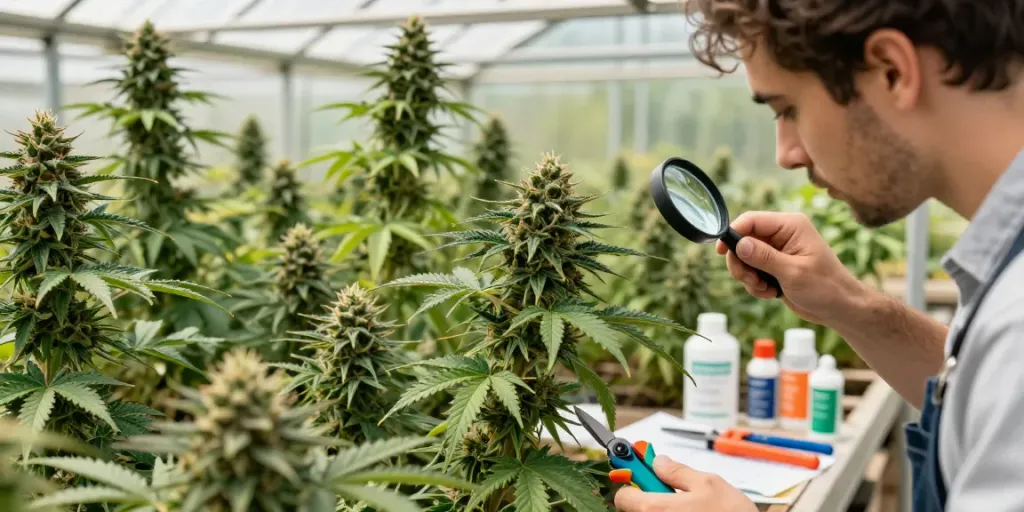
Autoflowering plants are susceptible to the same pests and diseases as traditional strains. Regular inspections and preventive treatments can help mitigate risks. In particular, be vigilant for common pests like aphids and spider mites, which can quickly damage your crop.
Managing Light and Environmental Factors
While autoflowers are less dependent on light cycles, other environmental factors such as humidity, temperature, and airflow remain crucial. A stable environment promotes healthy growth and reduces the risk of stress-related issues.
Understanding Plant Genetics and Phenotypes
Every strain possesses unique genetic traits that influence growth patterns, nutrient needs, and pest resistance. Familiarizing yourself with the specific genetics of your autoflowering seeds can yield better cultivation outcomes.
Future Trends in Autoflower Cannabis Cultivation
The cannabis industry is constantly innovating, and autoflowering cultivars are at the forefront of this evolution:
Innovations in Seed Technology and Genetics
Breeders are continually working to develop new autoflowering strains with enhanced flavors, higher potency, and greater resilience. As demand grows, expect to see more specialized strains tailored to specific effects and medicinal applications.
Predictions for Market Growth and Consumer Preferences
With the increasing popularity of cannabis among consumers, the market for autoflowering seeds is expected to expand significantly. As more people discover the benefits of these strains, consumer preferences will likely shift towards faster-growing, more resilient options.
Emerging Techniques for Enhanced Yields
Advancements in cultivation techniques, such as aquaponics and vertical farming, may soon be applied to autoflowering crops, further maximizing yields and minimizing resource consumption.
Where Can I Buy Autoflowering Cannabis Seeds?
As more retailers and online platforms emerge, sourcing quality autoflowering cannabis seeds has become easier. Always opt for reputable dispensaries or online seed banks known for their high-quality genetics and reliable customer service.
What are the Best Autoflowering Strains for Beginners?
New growers should consider popular autoflowering strains like Northern Lights or Amnesia Haze, known for their resilience and ease of growth. These strains provide a great introduction to autoflowering cultivation.
How Long Does it Take to Harvest Autoflowering Cannabis?
From seed to harvest, autoflowering cannabis can take between 8 to 12 weeks, making them an attractive option for those seeking quick results.
Are Autoflowering Seeds Suitable for Outdoor Growth?
Yes, many growers successfully cultivate autoflowering plants outdoors. Their robustness and ability to flower without specific light conditions make them a great choice for outdoor gardens.
What are the Differences Between Autoflowering and Regular Seeds?
In summary, the primary difference between autoflowering and regular seeds lies in the flowering mechanism—autoflowers flower based on age, while regular seeds require specific light durations to initiate flowering. Additionally, autoflowering strains typically offer quicker returns and easier management, making them ideal for both new and experienced growers looking to streamline their cultivation process.